爱壹帆影视[国际版] 爱壹帆影视[国际版]
游客
海报背景
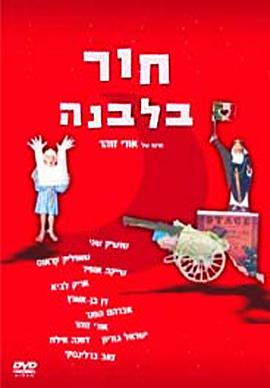
月亮上的洞海报图片

月亮上的洞

备注 :正片
导演 :Uri/Zohar/
更新 :2026-05-10 02:34:27
1964·以色列·剧情 ·1964上映·希伯来语·
立即播放
收藏
2.0
网友评分
  • 很差
  • 较差
  • 还行
  • 推荐
  • 力荐
366次评分
  • 很差
  • 较差
  • 还行
  • 推荐
  • 力荐
扫描观看

扫描一扫app播放

A comic and episodic satire, the film uses improvisation to illustrate the clash between fantasy and reality in real life. Although conceived in the style of Mekas' "Hallelujah the hills" (1962), it's an authentically Israeli satire, an openly rebellious and individualistic expression that poked fun at the sacred myths of earlier zionist films. The technique of film within the film is used to portray cinema as reflection of the imagination, a miracle based on dreams and fantasies that take on concrete characteristics - parallel to the miracle of Israel, the dream that has become reality. Although not a commercial success, its importance is beyond any measure, though it remains a unique experiment, boldly uncommercial and subversive, out of any context in that patriotic, ideological epoch.                                                                      A new immigrant, Tzelnik, arrives at the port of Jaffa. He goes to live in the Negev desert where he opens a kiosk in the middle of nowhere. Mizrachi comes along and opens a competing business across the way. The two make a living by selling to each other. As there is nothing there, they decide to create a world out of their imagination. They build a cardboard film set, which slowly takes on real dimensions- the buildings turn to concrete, people come to audition for parts in the "film" (cinema verité style, with Zohar mocking viciously the pretensions of the "actresses") and builders come to build appartment buildings (mocking the glorification of concrete and  "heroic" settlement). In one sequence, Arab actors come and ask the filmmakers turn positive to negative, and they're given the role of pioneers who plow the land and sing zionist songs. The imagined world of the filmmakers becomes so real eventually they lose sight of the thin line between fantasy and reality.                                                                      Along the way there are also many references to other films and genres: the samurai flicks of Kurosawa, westerns, the pop films by Richard lester, the meal scene from Tom Jones and many others.                                                                      The film was made by a bunch of (very talented) friends Zohar gathered, and they shot it with their own funds, as a “collective flick”, another aspect of it that sets it apart from the rest of the production in the country.
展开
没有模块

资源列表

排序

相关明星

相关影片

更多
好久不见
탁우석 Tak woosuk,연승호 Yean seungho
蜱虫叮咬的真实之美
The True Beauty of Being Bitten by a Tick
2036末日逃杀
卡兰·马尔韦,夏洛特·麦基,费利克斯·卡梅伦
奇怪生物
帶住阿媽骨灰返鄉下(港)
生病的小狗
娜塔莎·卡利斯 , 托尼·纳波 , 雷切尔·博伊德
秘密关系最后的约束电影版
本片改编自日本台湾合拍的真人版电视剧《秘密情人》,改编自米冈志久的同名人气耽美漫画《只是它,还没结束!》。电视剧版经过重新剪辑,并加入了之前未公开的片段。陆俊熙和韩拓是青梅竹马的好朋友,但拓一直暗恋着
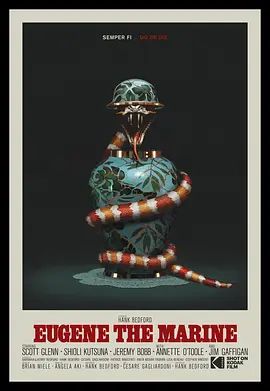
海军陆战队员尤金
斯科特·格伦 , 安妮特·奥图 , 吉姆·加菲根 , 杰里米·博布 , 忽那汐里 , 德莱尼·奎因 , 威利·C·卡彭特 , Jeremy Childs , Joe Ando-Hirsh , Yesly Dimate , Zach Zucker , 克拉克·杰克逊 , Janira Reyes , Lisa Reneau , Gavin Sofronski , Charlie Ferguson
女士优先
男人要自爱(美版)
群体
Colony / 尸杀禁区(港) / 尸速禁区(台)
  • 片名:月亮上的洞
  • 状态:正片
  • 主演:Arik Lavie Shaike Ophir Avraham Heffner 
  • 导演:Uri Zohar 
  • 年份:1964
  • 地区:以色列
  • 类型:剧情 
  • 频道:内详
  • 上映:1964
  • 语言:希伯来语
  • 更新:2026-05-10 02:34
  • 简介:A comic and episodic satire, the film uses improvisation to illustrate the clash between fantasy and reality in real life. Although conceived in the style of Mekas' "Hallelujah the hills" (1962), it's an authentically Israeli satire, an openly rebellious and individualistic expression that poked fun at the sacred myths of earlier zionist films. The technique of film within the film is used to portray cinema as reflection of the imagination, a miracle based on dreams and fantasies that take on concrete characteristics - parallel to the miracle of Israel, the dream that has become reality. Although not a commercial success, its importance is beyond any measure, though it remains a unique experiment, boldly uncommercial and subversive, out of any context in that patriotic, ideological epoch.                                                                      A new immigrant, Tzelnik, arrives at the port of Jaffa. He goes to live in the Negev desert where he opens a kiosk in the middle of nowhere. Mizrachi comes along and opens a competing business across the way. The two make a living by selling to each other. As there is nothing there, they decide to create a world out of their imagination. They build a cardboard film set, which slowly takes on real dimensions- the buildings turn to concrete, people come to audition for parts in the "film" (cinema verité style, with Zohar mocking viciously the pretensions of the "actresses") and builders come to build appartment buildings (mocking the glorification of concrete and  "heroic" settlement). In one sequence, Arab actors come and ask the filmmakers turn positive to negative, and they're given the role of pioneers who plow the land and sing zionist songs. The imagined world of the filmmakers becomes so real eventually they lose sight of the thin line between fantasy and reality.                                                                      Along the way there are also many references to other films and genres: the samurai flicks of Kurosawa, westerns, the pop films by Richard lester, the meal scene from Tom Jones and many others.                                                                      The film was made by a bunch of (very talented) friends Zohar gathered, and they shot it with their own funds, as a “collective flick”, another aspect of it that sets it apart from the rest of the production in the country.
网站公告

hello~欢迎使用爱壹帆国际版地址:aiyif.cn。

安卓APP已更新,畅享4K极致体验

《备用1》 《备用2》 《加入群》

视频
搜索历史
删除
热门搜索
本地记录 云端记录
登录账号